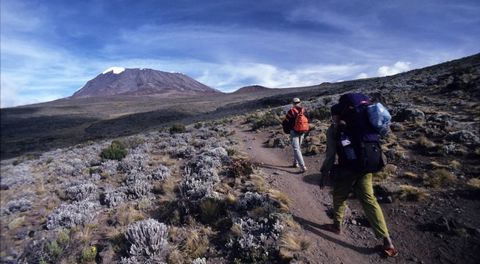
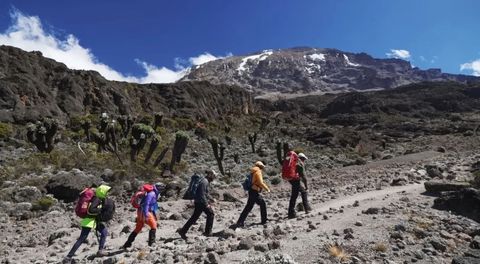
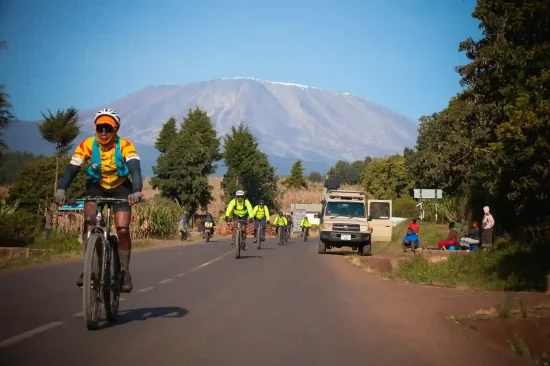
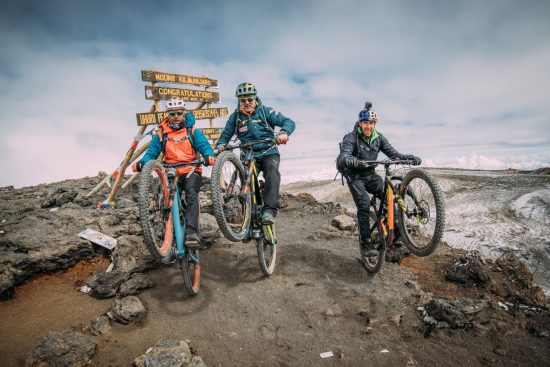
The Kilema Route is the only trail on Mount Kilimanjaro that allows climbers to ascend by mountain bike. Beginning near Marangu, it offers a unique and adventurous way to experience Africa’s highest peak. Known for its combination of cycling and trekking, the Kilema Route provides a thrilling alternative to traditional climbs, blending physical endurance with the excitement of riding through diverse landscapes.
Choosing Kilema means embracing a one-of-a-kind adventure. The route is designed for experienced cyclists who want to test their stamina on steep ascents while enjoying the freedom of biking through rainforest, moorland, and alpine desert. Unlike other trails, Kilema offers the novelty of pedaling part of the way up Kilimanjaro, with sections where bikes must be pushed or carried due to terrain. This mix of cycling and trekking makes it both challenging and rewarding, appealing to those who crave something different from the usual climb.
Most itineraries on Kilema span five to six days, depending on pace and acclimatization needs. The journey begins with forest trails near the Marangu Gate, then ascends toward Horombo Huts, where cyclists rest alongside trekkers. From there, the route continues toward Kibo Hut, with sections requiring bike-pushing through rocky paths and high-altitude terrain. The final summit attempt to Uhuru Peak is made on foot, as the terrain becomes too steep and rugged for cycling.
The Kilema experience is defined by its adventurous spirit and unique blend of biking and trekking. Cyclists enjoy solitude on less crowded trails, dramatic scenery, and the thrill of combining two disciplines in one epic journey. For those who want to conquer Kilimanjaro in a way few others have attempted, the Kilema Route offers a bold, unforgettable challenge — cycling to the roof of Africa.
SHORT DAY WISE ITINERARY
Day 2: Arrival at Tanzania
Day 2: Kilema Gate → Kilema Camp
Day 3: Kilema Camp → Horombo Hut
Day 4: Horombo Hut → Kibo Hut
Day 5: Kibo Hut → Uhuru Peak → Horombo Hut
Day 6: Horombo Hut → Kilema Gate
Formalities & Health
Trekkers must prepare with proper documentation and health precautions:
Visas: Most travelers require a Tanzanian visa, which can be obtained online (evisa) or upon arrival. Ensure your passport is valid for at least six months beyond your travel dates.
Permits: All routes require official Kilimanjaro National Park permits. These are included in your trek package and arranged by your operator.
Vaccinations: Recommended vaccinations include yellow fever, typhoid, hepatitis A/B, and routine immunizations. Malaria prophylaxis is also advised, as lower regions of Tanzania are malaria zones.
Medical checks: Consult a doctor for altitude readiness. A pretrek medical exam ensures you are fit for highaltitude trekking. Carry personal medications and inform guides of any conditions.
Route Comparison
Marangu Route
Easiest Route
Duration: 5–6 days
Accommodation: Huts (beds & dining halls)
Difficulty: Moderate (fast ascent)
Low Success Rate
Budget Friendly
Machame Route
Most Scenic Route
Duration: 6–7 days
Accommodation: Camping
Difficulty: Challenging Trek
High Success Rate
Popular Value
Lemosho Route
Highest Success Rate
Duration: 7–8 days
Accommodation: Camping
Difficulty: Moderate, Difficulty
High Success Rate
Premium Experience
Northern Circuit
Longest Route
Duration: 7–10 days
Accommodation: Camping
Difficulty: Moderate
Very High Success Rate
Premium Expedition
Rongai Route
Quite Route
Duration: 5–7 days
Accommodation: Camping
Difficulty: Moderate
High Success Rate
Quite Value
Umbwe Route
Most Difficult Route
Duration: 5–6 days
Accommodation: Camping
Difficulty: Difficult (Steep Ascent)
Low Success Rate
Exclusive Challenge Value
Travel Insurance for Your Tanzania Safari
Embarking on an African safari to Tanzania is the adventure of a lifetime. From spotting a stealthy leopard in the Serengeti to conquering the heights of Mount Kilimanjaro, every moment is unforgettable. But before you set off, don’t forget the most important item—travel insurance.
A solid plan ensures medical mishaps, trip cancellations, or lost baggage won’t spoil your journey. In remote areas, where access to medical facilities is limited, this safety net is essential. Coverage even includes emergency evacuation from Kilimanjaro, giving climbers peace of mind at high altitude.
Comprehensive protection typically covers medical emergencies, hospitalization, cancellation, rescue operations, legal fees, and baggage issues. With the right insurance, you can focus on the thrill of the safari, the challenge of Kilimanjaro, and the beauty of Zanzibar—knowing you’re protected against the unexpected.
Zanzibar Mandatory Travel Insurance: If you’re traveling to Zanzibar, you are required to obtain the Zanzibar Mandatory Travel Insurance, regardless of whether you already have your own travel insurance.
Each traveler must apply in advance.
The cost is USD 44 per person.
After payment, you’ll receive a QR code to present upon arrival.
Preparation is key to success: Climbing Mount Kilimanjaro is a physically demanding adventure that requires proper preparation and training. A well-planned Kilimanjaro training program helps improve your endurance, strength, and overall fitness, increasing your chances of reaching the summit successfully. Training before your trek also helps your body adapt to long hiking hours, steep trails, and high-altitude conditions. Whether you are a beginner or an experienced hiker, preparing in advance will make your climb safer, more comfortable, and more enjoyable.
Cardio training: Build endurance with running, cycling, swimming, or brisk walking. Aim for 4–5 sessions per week, gradually increasing intensity.
Strength training: Focus on legs (squats, lunges), core (planks, situps), and back (deadlifts, rows). Strong muscles reduce fatigue and improve stability on uneven terrain.
Altitude practice: If possible, hike at elevation or use stair climbing with weighted packs. Simulating altitude conditions helps acclimatization.
Flexibility & balance: Yoga or stretching routines improve mobility and reduce injury risk.
Train consistently at least 8–12 weeks before your Kilimanjaro climb
Stay hydrated and maintain a balanced, nutritious diet during training
Test your hiking boots and gear during training hikes to avoid discomfort on the mountain
Focus on mental preparation and maintaining a positive mindset throughout the journey
Get enough rest and recovery to allow your body to adapt and grow stronger
Gear checklist: Sturdy trekking boots, layered clothing (base, mid, outer), waterproof jacket, gloves, hat, headlamp, hydration system, trekking poles, and sleeping bag rated for subzero temperatures.
Packing tips: Pack light but cover essentials. Use dry bags to protect gear from moisture. Keep daily items accessible in your daypack while porters carry larger loads.
Mental readiness: Stay positive, pace yourself, and embrace the challenge. Mental resilience is as important as physical fitness. Prepare for long days, cold nights, and gradual progress.
Nutrition: Bring energy snacks (nuts, protein bars, dried fruit) to supplement provided meals. Hydration is critical—drink 3–4 liters daily.
Why Book with Kilele Climb Tours?
Unmatched Service Excellence
Swift & Attentive Communication
Dedicated Tanzania Specialists
On-Ground Experts Living in Tanzania
Elite Safari Guiding Professionals
Fair & Competitive Pricing
Highly Rated Private Safari Journeys
Kilimanjaro Safety
Safety is our top priority: When climbing Mount Kilimanjaro, and proper preparation plays an important role in ensuring a successful trek. Climbers should take time to acclimatize gradually, stay hydrated throughout the journey, and follow the guidance of experienced mountain guides at all times. Weather conditions on Kilimanjaro can change quickly, making it essential to carry appropriate clothing, reliable trekking gear, and personal essentials for both warm and freezing temperatures.
Professional guides: Certified guides with extensive experience lead every trek. They are trained in altitude management, wilderness first aid, and emergency response.
Emergency support: Evacuation protocols include access to stretchers, oxygen, and coordination with rescue services. Helicopter evacuation is available in severe cases.
Health monitoring: Daily checks for altitude sickness symptoms (headache, nausea, fatigue). Guides monitor oxygen saturation and heart rate to ensure safe acclimatization.
Group safety: Small group sizes allow personalized attention. Porters and staff ensure camps are secure, meals are hygienic, and trekkers are supported throughout.
With professional support from Kilele Climb, climbers benefit from carefully planned itineraries, trained guides, routine health monitoring, and emergency preparedness during the expedition. Regular altitude checks, safe climbing practices, and a steady hiking pace help reduce the risks associated with high-altitude trekking. By prioritizing safety, preparation, and teamwork, trekkers can confidently enjoy the unforgettable experience of reaching the Roof of Africa.
ITINERARY
This Kilimanjaro adventure is crafted for climbers who dream of conquering Africa’s highest peak. Imagine standing on the roof of Africa at Uhuru Peak, gazing across endless horizons after trekking through lush rainforests, alpine deserts, and shimmering glaciers. With the trusted guidance of Kilele Climb Tours, every itinerary is customized to match your pace, preferences, and travel style. Whether you seek extra acclimatization days, a private safari in Tarangire, Serengeti, or Ngorongoro, or a luxurious retreat in Zanzibar, our expert team ensures every detail is perfectly arranged. Many travelers love ending their trek with thrilling game drives followed by days on Zanzibar’s pristine beaches, where turquoise waters and spicescented breezes provide the ultimate reward. You’ll return home accomplished, refreshed, and filled with unforgettable memories of your Kilimanjaro triumph.
Day 1
Arrival in Tanzania
Upon arrival at Kilimanjaro International Airport, our team will meet you and transfer you to your hotel in Moshi (900m / 2,953ft). After checkin, you’ll have time to relax and recover from your journey. The hotel will provide all the essentials for a comfortable stay: cozy rooms, hot water, polite staff, a swimming pool, and Internet access. In the evening, meet your mountain guide for a detailed briefing covering the trek itinerary, altitude awareness, and safety procedures. This is also when your gear will be checked to ensure everything is suitable for the climb. Dinner is on your own, but breakfast is included the next morning.
Elevation: Moshi town – 900m / 2,953ft
Distance: N/A (transfer only)
Hiking Time: N/A
Destination Height: 900m / 2,953ft
Day 2
Kilema Gate to Halfway Horombo Hut to Kilema Camp
After breakfast, Meet your guide and transfer from your hotel to Marangu Gate (1,860m / 6,102ft), about One hour’ drive. After registration, continue to Kilema Gate (1,950m / 6,397ft), the starting point for cycling. Ensure your bike and daypack are ready before beginning the climb to the halfway point toward Horombo Hut (3,450m / 11,319ft). The track is steep, with loose rocks, so regular stops help acclimatization. By around 16:00, you reach the halfway point, then descend down to Kilema Camp (2,950m / 9,678ft). Dinner and overnight here, with night temperatures already dropping close to freezing.
After breakfast, cycle uphill to Horombo Hut (3,720m / 12,205ft) The trail is steep, with rocky sections requiring careful handling. Horombo Hut is a bustling plateau village with capacity for 120 climbers, alive with trekkers ascending and descending. Arrive in time for a late lunch, then take an acclimatization ride to Zebra Rocks (4,040m / 13,255ft) and back, a short cycle to aid altitude adjustment. Dinner and overnight at Horombo Hut.
Elevation: 2,950m / 9,678ft → 3720m / 12,205ft
Distance: 7 km / 4.3 mi (+ optional 5 km / 3.1 mi acclimatization ride)
Acclimatization Day: Horombo Hut to Kibo Hut and Return
After an early breakfast, cycle toward Kibo Hut (4,725m / 15,502ft). The first section is rocky and eroded, requiring pushing or carrying your bike. Beyond this, the trail improves across the “Saddle” between Mawenzi and Kibo, though altitude and cold make progress strenuous. Lunch at Kibo Hut before descending nearly 800m back to Horombo Hut. The downhill is exhilarating but technical, especially the final stretch. Dinner and overnight at Horombo Hut.
Distance: 9.5 km / 5.9 mi up, 9.5 km / 5.9 mi down
Cycling Time: 3 hours up, 1 hour down
Habitat: Alpine Desert
Day 5
Horombo Hut to Kibo Hut
Early breakfast before cycling back up to Kibo Hut (4,730m / 15,518ft). The first section again requires pushing or carrying bikes, while the final stretch offers a smoother trail. Arrive for lunch, then rest and prepare for the summit attempt. Optional short hike in the afternoon helps orient you for the climb. Dinner is early, and you rest until 23:00, when the summit bid begins.
Elevation: 3,705m / 12,155ft → 4,730m / 15,518ft
Distance: 9.5 km / 5.9 mi
Cycling Time: ~5 hours
Habitat: Alpine Desert
Day 6
Summit Day: Kibo Hut to Uhuru Peak to Horombo Hut
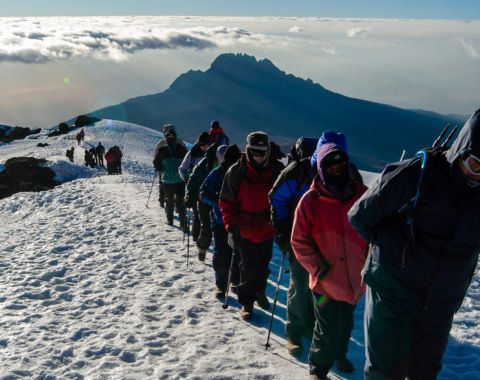
Rise at 23:00 for tea and biscuits before trekking with your bike toward Uhuru Peak (5,895m / 19,340ft). The path to Hans Meyer Cave (5,150m / 16,896ft) and Gillman’s Point (5,681m / 18,638ft) is steep, with scree and boulders requiring pushing or carrying bikes. From Gillman’s Point, cycling is possible again depending on snow conditions. Reach Uhuru Peak for sunrise, then descend back to Kibo Hut for a short rest and late breakfast. After recovery, continue cycling downhill to Horombo Hut (3,705m / 12,155ft). This descent is exhilarating but technical, especially the final stretch, requiring careful control. Dinner and overnight at Horombo Hut.
After breakfast, begin the final descent from Horombo Hut (3,705m / 12,155ft) down to Kilema Gate (1,950m / 6,397ft). The ride is exhilarating, with long downhill stretches through alpine desert, moorland, and finally lush rainforest. The trail requires careful handling, especially on rocky and loose sections, but the scenery is spectacular as you drop nearly 1,800m in elevation. At Marangu Gate, complete park sign‑out procedures and receive your certificates. From there, a vehicle transfer takes you back to Moshi, where a hot shower, celebratory meal, and well‑deserved rest await.
Elevation: 3,705m / 12,155ft → 1,950m / 6,397ft
Distance: ~18 km / 11 mi
Cycling Time: 4–5 hours
Habitat: Moorland → Montane Forest
Kilimanjaro Climbing Packages
We offer two distinct packages for climbers, tailored to different preferences and budgets.
Standard Package
The Standard Package is the perfect balance between affordability and quality service.
Accommodation : Comfortable standard hotels
Support : Expert guides and porters handle luggage, tents, cooking, and logistics
Meals : Diverse menu with multi-course meals, meat and fish options, drinks, fresh vegetables, and fruits
Experience : Safe, enjoyable, and memorable climb to the summit of Kilimanjaro
This package ensures a pleasurable journey with reliable support, allowing you to focus on the breathtaking natural beauty of Africa’s highest peak.
Deluxe Package
The Deluxe Package is designed for climbers who value premium comfort and personalized safety.
Accommodation : Luxurious, top-rated hotels in the region
Support : All Standard Package benefits plus enhanced amenities and superior service delivery
Safety : Personalized safety features for added peace of mind
Experience : Ultimate level of service for an unforgettable Tanzanian expedition
This package guarantees excellence, combining adventure with luxury for travelers seeking the very best.
What's Covered in this Package
Package Includes
Return transportation from Moshi to the starting/finishing point on the mountain
2 nights’ accommodation in Moshi/Arusha (before and after climb, bed & breakfast)
Qualified guides with full mountain crew
National park fees
Hut/camping fees
4season mountain tents
Doublelayered sleeping mats
Mess tent (for dining) with mini camping chairs, tables, candles
Rescue fees
First aid kit (Pulse oximeters & portable oxygen tanks per group for entire trek)
3 hot meals daily while on the mountain
Enough treated & filtered drinking water throughout the trek
Fair wages for crew as approved by KINAPA & KIATO
Government taxes
Guides, porters, waiter, cook accommodation and entry fees on the mountain
Package Excludes
Meals and drinks not specified
Gear for your climb
Items of personal nature
Personal portable oxygen tanks (available at $100 for entire trek)
Additional nights beyond the two standard hotel nights included
International flights / Visas / Travel Insurance
Portable flush toilet with toilet tent (available at $90 for entire trek)
Tips for guides, porters and cook (this is a guide to tipping on the mountain. Recommended Tipping on Kilimanjaro from the trekking group (not per climber) · Guides: 20$-30$ /day/guide · Cook: 15$-20$/ day · Porter: 7$-10$/day/porter
Kilimanjaro Climbing Packages
We offer two distinct packages for climbers, tailored to different preferences and budgets.
Safety
Standard Package
Deluxe Package
Fully-loaded medical Kits
✓
✓
Emergency oxygen tank
✓
✓
Pulse Oximeter: Daily measurement of oxygen levels for every climber.
✓
✓
ALTOX Personal Oxygen System
✕
✓
Fully rigid steel rescue stretcher (Litter).
✓
✓
Gamow Bag (Portable Hyperbaric Chamber)
✕
✓
VHF Handheld Radios for mountain communication.
✓
✓
Mountain Rescue Fee Included
✓
✓
Management & Safety Procedures
✓
✓
Medical Evacuation (AMREF Flying Doctors)
✕
✓
Health and Meals on the Mountain
Standard Package
Deluxe Package
All meals while on the Mountain
✓
✓
Fresh, healthy, and nutritious foods in large portions
✓
✓
Clean, purified drinking water
✓
✓
Champagne on Summit
✕
✓
Warm water for washing every day
✓
✓
Individual washbasins are provided for each trekker and guest upon arrival at the campsite.
✓
✓
Private Portable Flush Toilet
✕
✓
Camping Equipment & Accommodation
Standard Package
Deluxe Package
4 Season mountain tents, Double layered Sleeping Mats, Crew tents, Mess tent and Toilet tents
✓
✓
Large aluminum chairs with backs and armrests, Aluminum Tables, High powered solar LED lights
✓
✓
Sleeping Bags
✕
✓
Accommodation – Bed and Breakfast
✓
✓
Full Board Accommodation – Bed, Breakfast, Lunch and Dinner
✕
✓
Standard hotel accommodations for 2 nights; one night before and one night after the trek.
✓
✕
Comfort hotel accommodations for 2 nights; one night before and one night after the trek.
✕
✓
Transport & Other Inclusions
Standard Package
Deluxe Package
Arrival and Departure transfers
✓
✓
Return Transportation in Destination Location
✓
✓
All Government Taxes and all Park fees
✓
✓
Professional experienced mountain guides and porters
✓
✓
Fair and ethical treatment of porters
✓
✓
A personal porter to carry your day-pack during summit attempt
✕
✓
Standard Package Pricing
Price Rates Per Person in US$. The prices in other currencies are given for comparison only.
High Season (June 1st to March 31st)
Hiking Route/Days 8 Days Lemosho Route
1 Pax
$2,520
2 Pax
$2,520
3 Pax
$2,150
4 Pax
$2,100
5 Pax
$2,060
6 Pax
$2,040
7 Pax
$2,020
8 Pax
$2,000
9+ Pax
$1,980
* Tanzanian Residents pay 80% of rates & East African Citizens pay 60% of rates.
Low Season (April 1st to May 31st)
Hiking Route/Days 8 Days Lemosho Route
1 Pax
$2,520
2 Pax
$2,520
3 Pax
$2,150
4 Pax
$2,100
5 Pax
$2,060
6 Pax
$2,040
7 Pax
$2,020
8 Pax
$2,000
9+ Pax
$1,980
* Tanzanian Residents pay 80% of rates & East African Citizens pay 60% of rates.
Deluxe Package Pricing
Price Rates Per Person in US$. The prices in other currencies are given for comparison only.
High Season (June 1st to March 31st)
Hiking Route/Days 8 Days Lemosho Route
1 Pax
$2,520
2 Pax
$2,520
3 Pax
$2,150
4 Pax
$2,100
5 Pax
$2,060
6 Pax
$2,040
7 Pax
$2,020
8 Pax
$2,000
9+ Pax
$1,980
* Tanzanian Residents pay 80% of rates & East African Citizens pay 60% of rates.
Low Season (April 1st to May 31st)
Hiking Route/Days 8 Days Lemosho Route
1 Pax
$2,520
2 Pax
$2,520
3 Pax
$2,150
4 Pax
$2,100
5 Pax
$2,060
6 Pax
$2,040
7 Pax
$2,020
8 Pax
$2,000
9+ Pax
$1,980
* Tanzanian Residents pay 80% of rates & East African Citizens pay 60% of rates.
Facts
Why Choose This Route for Your Summit Success?
Choosing the right Kilimanjaro route is one of the most important decisions you’ll make when planning your climb. Each route offers a unique combination of scenery, duration, difficulty, acclimatization profile, and overall trekking experience. Some routes are ideal for first-time climbers seeking higher summit success rates, while others appeal to experienced adventurers looking for a more challenging or remote journey. By understanding the strengths of each route, you can select the option that best matches your fitness level, schedule, budget, and personal goals. Whether you prioritize breathtaking landscapes, fewer crowds, better acclimatization, or a shorter itinerary, comparing the available routes will help you make an informed choice and maximize your chances of a safe, enjoyable, and successful summit experience.
Why Choose Marangu Route Over the Rest?
Key Advantages
Budgetfriendly – lowest overall cost
Comfortable huts – no camping required
Straightforward trail – easy logistics and gradual path
Classic experience – the oldest and most established route
Trekkers who want a budgetfriendly, hutbased climb with simple logistics. Marangu is ideal for those who prefer not to camp and want a shorter, more straightforward Kilimanjaro experience.
Faqs
1. What is the Marangu Route?
The Marangu Route is Kilimanjaro’s oldest and most established trail, often called the “Coca-Cola Route.” It is unique because it offers permanent hut accommodation rather than tents. The route approaches the mountain from the southeast and is popular among first-time climbers.
2. Why is it called the Coca-Cola Route?
The nickname comes from the huts that once sold Coca-Cola to climbers. This gave the route a reputation for being more “comfortable” and accessible compared to wilderness camping routes.
3. How long does the trek take?
The trek can be completed in 5 days (minimum) or 6 days (recommended). The 6-day itinerary includes an extra acclimatization day at Horombo Hut, which significantly improves summit success chances.
4. What is the total distance?
The round trip covers about 72–82 km (45–50 miles) depending on the itinerary. The trail is well-graded, making it less steep compared to other routes.
5. What is the success rate?
5-day trek: 30–50% success
6-day trek: 60–80% success
The shorter duration makes acclimatization more difficult, which lowers success rates compared to Machame or Lemosho.
6. What kind of accommodation is available?
Trekkers stay in dormitory-style huts with bunk beds, mattresses, and communal dining halls. The main huts are:
Mandara Hut (2,720m) – rainforest zone
Horombo Hut (3,720m) – moorland zone
Kibo Hut (4,703m) – alpine desert zone
7. Is the Marangu Route easier than other routes?
The terrain is moderate and well-graded, but the short itinerary makes acclimatization challenging. Despite its reputation, it is not “easy” — altitude sickness is a real risk.
Cons: Lower success rate, less scenic variety (same path up and down), higher risk of altitude sickness, crowded huts.
9. What is the cost of the Marangu Route?
Packages typically start around $1,700, making it one of the most affordable Kilimanjaro routes. Costs vary depending on operator, inclusions, and group size.
10. Who is the Marangu Route best for?
This route is ideal for:
Budget-conscious climbers
Trekkers who prefer huts over tents
Those with limited time who want a shorter itinerary