Best time to visit Kilimanjaro
The Amazing Experience
Kilimanjaro Weather: When to plan your Kilimanjaro Adventure
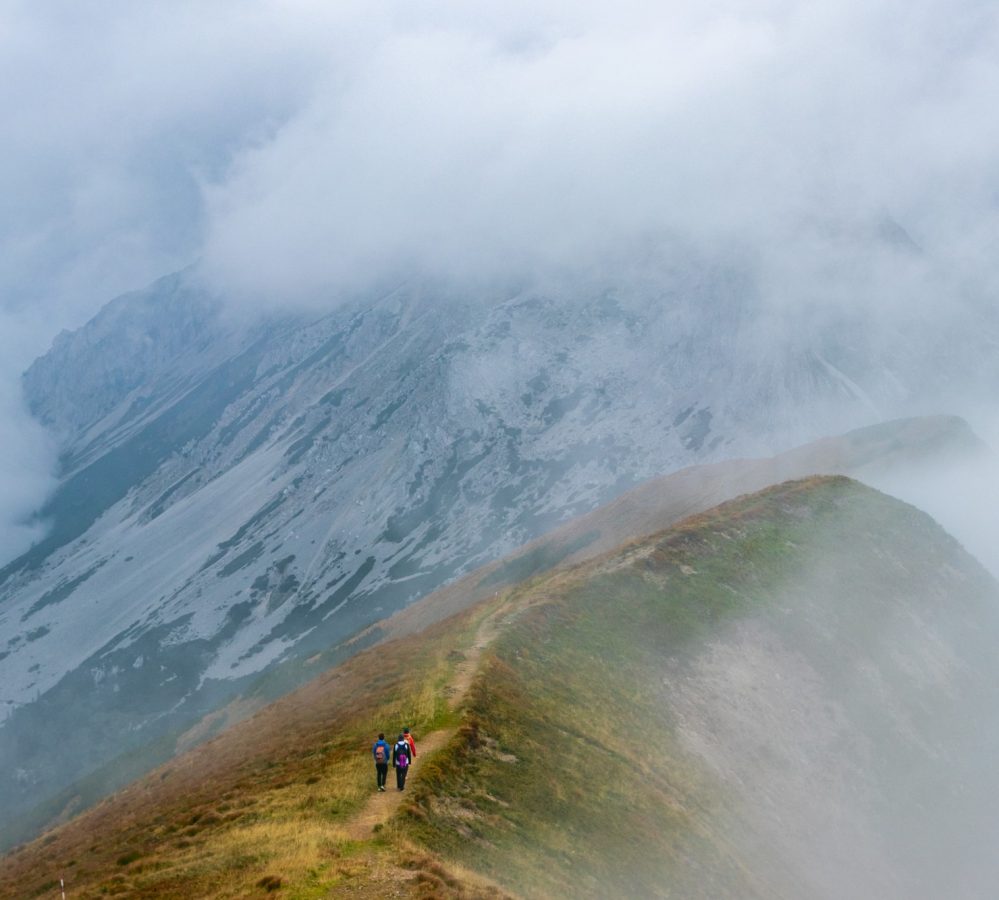
The weather on Mount Kilimanjaro is famously unpredictable, with temperatures shifting dramatically depending on altitude. Climbers can expect everything from hot sun to heavy rain or freezing nights, often within the same trek. The best time to climb is generally June to October and December to early March, when conditions are more stable and visibility is excellent. As hikers ascend, they pass through distinct climatic zones — rainforest, moorland, alpine desert, and arctic summit — each with its own atmosphere. Temperatures, rainfall, and vegetation decrease steadily with elevation. Because of these variations, trekkers must be prepared for hot, wet, and cold conditions at any time.
Need Help Planning Your Day Trip?
Our travel specialists are here to help you choose the perfect excursion.
Reservation By Phone
Write Mail to us





Short Weather Summary for Kilimanjaro Routes
All Kilimanjaro routes pass through the same climate zones, but conditions vary slightly depending on approach:
- Marangu — humid rainforest start, wetter overall; huts provide shelter in bad weather.
- Machame — variable weather, rainforest to alpine desert; tents exposed to rain and wind.
- Lemosho — similar to Machame, but western start often wetter; excellent visibility in dry season.
- Northern Circuit — drier northern slopes, wide temperature swings; best stability June–Oct, Dec–Mar.
- Rongai — driest route, northern approach avoids heavy rains; good option in wet season.
- Umbwe — rainforest start is hot and humid, then rapid shift to cold alpine conditions.
- Shira — high-altitude start skips rainforest; cooler from the beginning, with strong winds on plateau.
Weather and Trail Conditions on Kilimanjaro: Dry vs Rainy Seasons
Mount Kilimanjaro’s climate is shaped by Tanzania’s alternating rainy and dry seasons. Understanding these cycles is key to planning a successful climb.
- Short rains: Early November to late December.
- Dry season: Late December to mid-March.
- Long rains: Mid-March to mid-June.
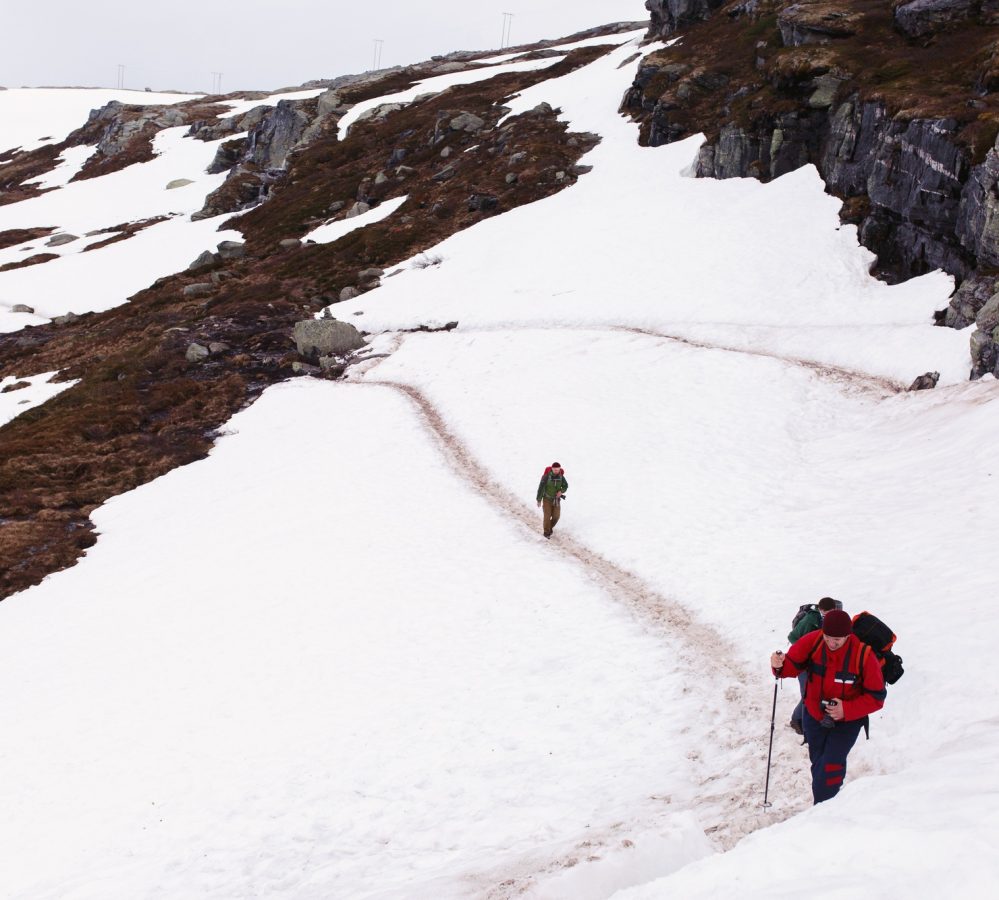
During the rainy months, trekking can be more challenging due to slippery trails and cloud cover. However, climbers who choose the northern slopes benefit from significantly less rainfall — up to five times lower compared to other parts of the mountain, according to the Tanzania Meteorological Authority.
Recommended Routes for Rainy Season
If you’re climbing during the rains, opt for trails that traverse the drier northern side:
- Rongai Route – Gentle ascent, fewer crowds, and excellent views.
- Northern Circuit – Longest route, offering panoramic scenery and high success rates.
- Marangu Route – Known as the “Coca-Cola route,” with hut accommodations that provide extra comfort in wet conditions.
Best climbing seasons for all routes: June–October and December–early March, when conditions are more stable and skies are clear.