Mt. Kilimanjaro Trek – Rongai Route 7 Days
Kilema via Rongai Route 7 Days Itinerary
- 7 Days 4 Nights
- From $2400 USD

Kilema via Rongai Route 7 Days Itinerary
Package Overview
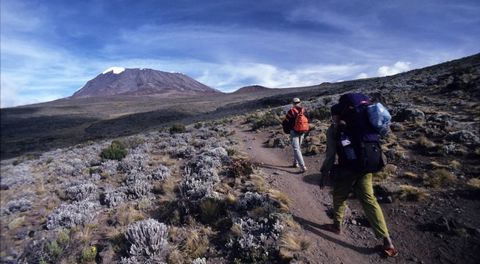
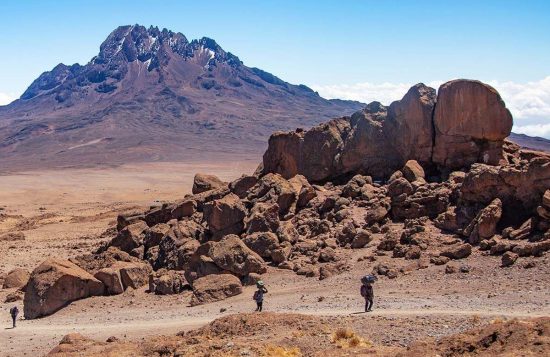
The Rongai Route is the only trail that approaches Mount Kilimanjaro from the north, near the Kenyan border. It is celebrated for its quiet wilderness, gradual ascent, and drier conditions compared to the southern routes. While it may not be as scenic as Machame or Lemosho, Rongai offers solitude, distinctive views of Mawenzi Peak, and a gentler climb, making it a great choice for trekkers who prefer a less crowded and more peaceful adventure.
Choosing Rongai means embracing a route defined by tranquility and accessibility. Its gentle slopes provide a steady ascent that is ideal for beginners or those concerned about altitude, while the northern side’s dry conditions reduce the likelihood of muddy trails. The remote nature of this path ensures fewer climbers, allowing for a more personal connection with the mountain. Along the way, trekkers are rewarded with unique panoramas of Mawenzi Peak and the vast northern plains, offering a perspective of Kilimanjaro that few routes can match.
Most itineraries on Rongai span six to seven days, with the longer option offering better acclimatization and a higher chance of reaching Uhuru Peak. The journey begins through farmland and pine forests before transitioning into wild heathland. As the climb continues, trekkers pass Kikelewa Caves and camp near Mawenzi Tarn, where the views of Mawenzi are breathtaking. The route then traverses the alpine desert toward Kibo Hut, setting the stage for the midnight summit push. After conquering the peak, climbers descend via the Marangu Route, experiencing a contrasting side of Kilimanjaro.
The Rongai experience is defined by its wilderness feel and sense of solitude. Longer itineraries allow for proper acclimatization, increasing summit success rates, while the descent through Marangu provides a glimpse of Kilimanjaro’s southern landscapes. For those who value peace, gradual climbs, and unique northern views, Rongai transforms the mountain into a journey of quiet determination and discovery.
Day 1: Rongai Gate → Simba Camp
Day 2: Simba Camp → Kikelewa Camp
Day 3: Kikelewa → Mawenzi Tarn Camp
Day 4: Acclimatization Day at Mawenzi Tarn
Day 5: Mawenzi Tarn → Kibo Hut
Day 6: Kibo Huts → Uhuru Peak → Horombo Huts
Day 7: Horombo Huts → Marangu Gate
Trekkers must prepare with proper documentation and health precautions:
Easiest Route
Most Scenic Route
Highest Success Rate
Longest Route
Quite Route
Most Difficult Route
Embarking on an African safari to Tanzania is the adventure of a lifetime. From spotting a stealthy leopard in the Serengeti to conquering the heights of Mount Kilimanjaro, every moment is unforgettable. But before you set off, don’t forget the most important item—travel insurance.
A solid plan ensures medical mishaps, trip cancellations, or lost baggage won’t spoil your journey. In remote areas, where access to medical facilities is limited, this safety net is essential. Coverage even includes emergency evacuation from Kilimanjaro, giving climbers peace of mind at high altitude.
Comprehensive protection typically covers medical emergencies, hospitalization, cancellation, rescue operations, legal fees, and baggage issues. With the right insurance, you can focus on the thrill of the safari, the challenge of Kilimanjaro, and the beauty of Zanzibar—knowing you’re protected against the unexpected.
Zanzibar Mandatory Travel Insurance: If you’re traveling to Zanzibar, you are required to obtain the Zanzibar Mandatory Travel Insurance, regardless of whether you already have your own travel insurance.
To apply, visit the official Zanzibar tourism website: https://visitzanzibar.go.tz/.
Preparation is key to success: Climbing Mount Kilimanjaro is a physically demanding adventure that requires proper preparation and training. A well-planned Kilimanjaro training program helps improve your endurance, strength, and overall fitness, increasing your chances of reaching the summit successfully. Training before your trek also helps your body adapt to long hiking hours, steep trails, and high-altitude conditions. Whether you are a beginner or an experienced hiker, preparing in advance will make your climb safer, more comfortable, and more enjoyable.
A well planned kit ensures comfort and safety:
With professional support from Kilele Climb, climbers benefit from carefully planned itineraries, trained guides, routine health monitoring, and emergency preparedness during the expedition. Regular altitude checks, safe climbing practices, and a steady hiking pace help reduce the risks associated with high-altitude trekking. By prioritizing safety, preparation, and teamwork, trekkers can confidently enjoy the unforgettable experience of reaching the Roof of Africa.
This Kilimanjaro adventure is crafted for climbers who dream of conquering Africa’s highest peak. Imagine standing on the roof of Africa at Uhuru Peak, gazing across endless horizons after trekking through lush rainforests, alpine deserts, and shimmering glaciers. With the trusted guidance of Kilele Climb Tours, every itinerary is customized to match your pace, preferences, and travel style. Whether you seek extra acclimatization days, a private safari in Tarangire, Serengeti, or Ngorongoro, or a luxurious retreat in Zanzibar, our expert team ensures every detail is perfectly arranged. Many travelers love ending their trek with thrilling game drives followed by days on Zanzibar’s pristine beaches, where turquoise waters and spicescented breezes provide the ultimate reward. You’ll return home accomplished, refreshed, and filled with unforgettable memories of your Kilimanjaro triumph.
Upon arrival at Kilimanjaro International Airport, our team will meet you and transfer you to your hotel in Moshi (900m / 2,953ft). After checkin, you’ll have time to relax and recover from your journey. The hotel will provide all the essentials for a comfortable stay: cozy rooms, hot water, polite staff, a swimming pool, and Internet access. In the evening, meet your mountain guide for a detailed briefing covering the trek itinerary, altitude awareness, and safety procedures. This is also when your gear will be checked to ensure everything is suitable for the climb. Dinner is on your own, but breakfast is included the next morning.
After breakfast, drive from Moshi to Rongai Gate (1,950m / 6,398ft), near the Kenyan border. After registration, begin trekking through farmland and pine forest. The trail is gentle, with occasional views of Kilimanjaro’s northern slopes. Wildlife such as colobus monkeys may be spotted in the forest. By late afternoon, you arrive at Simba Camp (2,600m / 8,530ft), situated on a ridge with wide views across the plains of Kenya. Dinner and overnight here marks the start of your adventure.
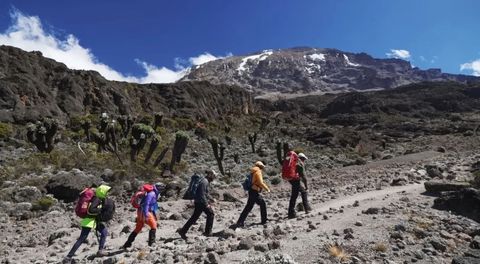
After breakfast, continue trekking through open moorland. The vegetation changes, with heather and giant lobelias appearing along the trail. The climb is steady, and the views of Kibo Peak become more dramatic as you gain altitude. By afternoon, you arrive at Kikelelwa Camp (3,600m / 11,811ft), located in a sheltered valley with striking views of Mawenzi Peak. This camp is quiet and remote, offering a peaceful environment to rest and acclimatize. Dinner and overnight at Kikelelwa.
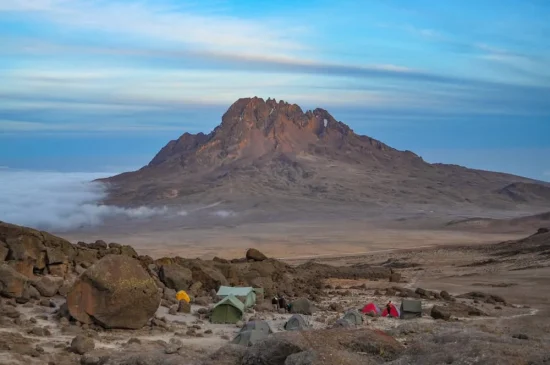
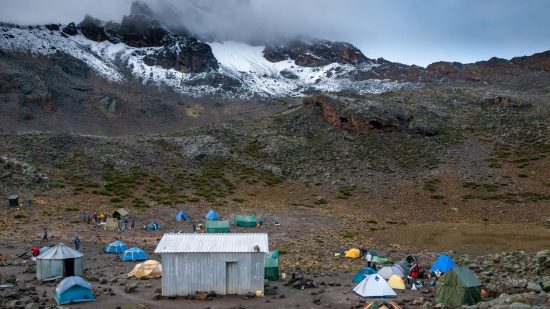
After breakfast, the trek continues upward into alpine desert. The trail climbs steadily, with rugged terrain and fewer plants. By late morning, you arrive at Mawenzi Tarn Hut (4,330m / 14,206ft), located beneath the jagged spires of Mawenzi Peak. This camp is one of the most scenic on Kilimanjaro, with dramatic views of both Mawenzi and Kibo. Dinner and overnight here allow you to experience the unique atmosphere of the tarn, surrounded by volcanic cliffs.
This day is dedicated to acclimatization. After breakfast, take a short hike around the tarn or ascend partway up Mawenzi’s ridges. The views are spectacular, with Kibo’s ice cap visible across the saddle. Spending a second night at Mawenzi Tarn Hut greatly improves your body’s ability to adjust to altitude, increasing summit success rates. After the acclimatization hike, return to camp for lunch and rest. Dinner and overnight at Mawenzi Tarn Hut.
After breakfast, begin a steady climb across the lunar‑like alpine desert toward Kibo Hut (4,703m / 15,430ft). The trail is gradual but feels long due to the altitude and barren landscape. Views of Mawenzi Peak to the east and the looming Kibo cone ahead are spectacular. By early afternoon, you arrive at Kibo Hut, a stone hut that serves as the base camp for summit attempts. Dinner is early, and you rest to prepare for the midnight climb.
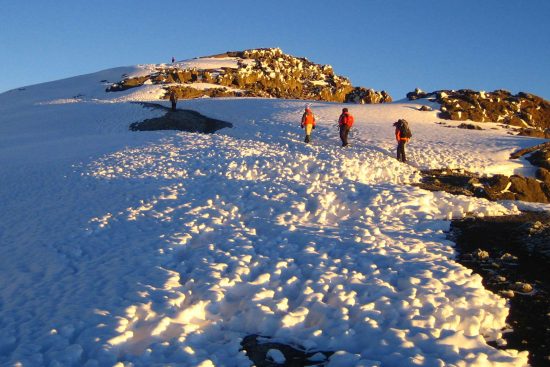
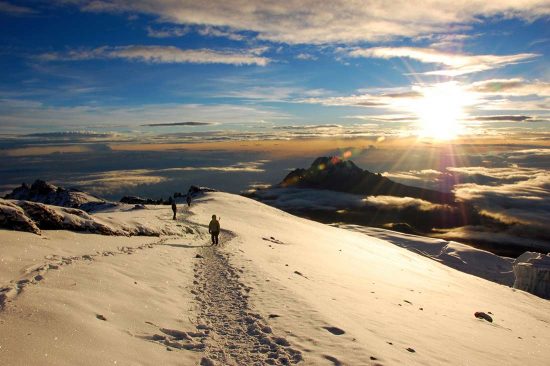
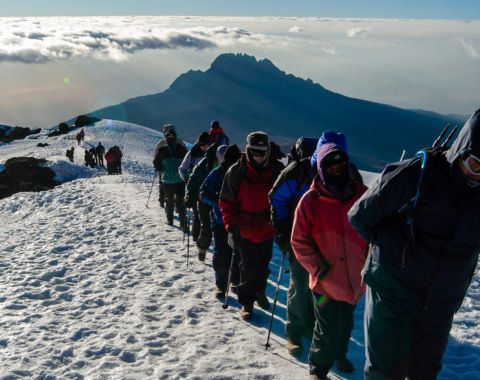
Around midnight, after a light meal, begin the summit push. The climb to Gilman’s Point (5,681m / 18,638ft) is steep and grueling, often on loose scree. From there, continue along the crater rim to Uhuru Peak (5,895m / 19,341ft), the highest point in Africa. The sunrise from the summit is unforgettable, with views stretching across Tanzania and Kenya. After celebrating, descend back to Kibo Hut for a short rest, then continue down to Horombo Hut (3,720m / 12,205ft). This is the most demanding day, but also the most rewarding.
After breakfast, make the final descent through heathland and rainforest to Marangu Gate (1,860m / 6,102ft). The trail is alive with bird calls and lush vegetation, a stark contrast to the barren summit. At the gate, you’ll receive your summit certificates, marking your achievement. From there, transfer back to Moshi for a hot shower, celebratory meal, and well‑deserved rest.
We offer two distinct packages for climbers, tailored to different preferences and budgets.
The Standard Package is the perfect balance between affordability and quality service.
Accommodation : Comfortable standard hotels
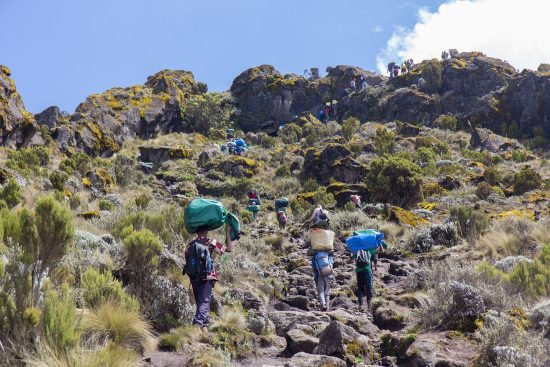
Support : Expert guides and porters handle luggage, tents, cooking, and logistics
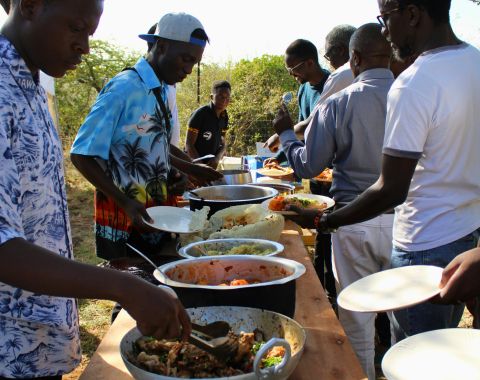
Meals : Diverse menu with multi-course meals, meat and fish options, drinks, fresh vegetables, and fruits
Experience : Safe, enjoyable, and memorable climb to the summit of Kilimanjaro
This package ensures a pleasurable journey with reliable support, allowing you to focus on the breathtaking natural beauty of Africa’s highest peak.
The Deluxe Package is designed for climbers who value premium comfort and personalized safety.
Accommodation : Luxurious, top-rated hotels in the region
Support : All Standard Package benefits plus enhanced amenities and superior service delivery
Safety : Personalized safety features for added peace of mind
Experience : Ultimate level of service for an unforgettable Tanzanian expedition
This package guarantees excellence, combining adventure with luxury for travelers seeking the very best.
We offer two distinct packages for climbers, tailored to different preferences and budgets.
| Safety | Standard Package | Deluxe Package |
|---|---|---|
| Fully-loaded medical Kits | ✓ | ✓ |
| Emergency oxygen tank | ✓ | ✓ |
| Pulse Oximeter: Daily measurement of oxygen levels for every climber. | ✓ | ✓ |
| ALTOX Personal Oxygen System | ✕ | ✓ |
| Fully rigid steel rescue stretcher (Litter). | ✓ | ✓ |
| Gamow Bag (Portable Hyperbaric Chamber) | ✕ | ✓ |
| VHF Handheld Radios for mountain communication. | ✓ | ✓ |
| Mountain Rescue Fee Included | ✓ | ✓ |
| Management & Safety Procedures | ✓ | ✓ |
| Medical Evacuation (AMREF Flying Doctors) | ✕ | ✓ |
| Health and Meals on the Mountain | Standard Package | Deluxe Package |
|---|---|---|
| All meals while on the Mountain | ✓ | ✓ |
| Fresh, healthy, and nutritious foods in large portions | ✓ | ✓ |
| Clean, purified drinking water | ✓ | ✓ |
| Champagne on Summit | ✕ | ✓ |
| Warm water for washing every day | ✓ | ✓ |
| Individual washbasins are provided for each trekker and guest upon arrival at the campsite. | ✓ | ✓ |
| Private Portable Flush Toilet | ✕ | ✓ |
| Camping Equipment & Accommodation | Standard Package | Deluxe Package |
|---|---|---|
| 4 Season mountain tents, Double layered Sleeping Mats, Crew tents, Mess tent and Toilet tents | ✓ | ✓ |
| Large aluminum chairs with backs and armrests, Aluminum Tables, High powered solar LED lights | ✓ | ✓ |
| Sleeping Bags | ✕ | ✓ |
| Accommodation – Bed and Breakfast | ✓ | ✓ |
| Full Board Accommodation – Bed, Breakfast, Lunch and Dinner | ✕ | ✓ |
| Standard hotel accommodations for 2 nights; one night before and one night after the trek. | ✓ | ✕ |
| Comfort hotel accommodations for 2 nights; one night before and one night after the trek. | ✕ | ✓ |
| Transport & Other Inclusions | Standard Package | Deluxe Package |
|---|---|---|
| Arrival and Departure transfers | ✓ | ✓ |
| Return Transportation in Destination Location | ✓ | ✓ |
| All Government Taxes and all Park fees | ✓ | ✓ |
| Professional experienced mountain guides and porters | ✓ | ✓ |
| Fair and ethical treatment of porters | ✓ | ✓ |
| A personal porter to carry your day-pack during summit attempt | ✕ | ✓ |
Price Rates Per Person in US$. The prices in other currencies are given for comparison only.
* Tanzanian Residents pay 80% of rates & East African Citizens pay 60% of rates.
Price Rates Per Person in US$. The prices in other currencies are given for comparison only.
* Tanzanian Residents pay 80% of rates & East African Citizens pay 60% of rates.
Why Choose This Route for Your Summit Success?
Choosing the right Kilimanjaro route is one of the most important decisions you’ll make when planning your climb. Each route offers a unique combination of scenery, duration, difficulty, acclimatization profile, and overall trekking experience. Some routes are ideal for first-time climbers seeking higher summit success rates, while others appeal to experienced adventurers looking for a more challenging or remote journey. By understanding the strengths of each route, you can select the option that best matches your fitness level, schedule, budget, and personal goals. Whether you prioritize breathtaking landscapes, fewer crowds, better acclimatization, or a shorter itinerary, comparing the available routes will help you make an informed choice and maximize your chances of a safe, enjoyable, and successful summit experience.
Why Choose Marangu Route Over the Rest?
Key Advantages
Challenges
Best For
Trekkers who want a budgetfriendly, hutbased climb with simple logistics. Marangu is ideal for those who prefer not to camp and want a shorter, more straightforward Kilimanjaro experience.
The Marangu Route is Kilimanjaro’s oldest and most established trail, often called the “Coca-Cola Route.” It is unique because it offers permanent hut accommodation rather than tents. The route approaches the mountain from the southeast and is popular among first-time climbers.
The nickname comes from the huts that once sold Coca-Cola to climbers. This gave the route a reputation for being more “comfortable” and accessible compared to wilderness camping routes.
The trek can be completed in 5 days (minimum) or 6 days (recommended). The 6-day itinerary includes an extra acclimatization day at Horombo Hut, which significantly improves summit success chances.
The round trip covers about 72–82 km (45–50 miles) depending on the itinerary. The trail is well-graded, making it less steep compared to other routes.
The shorter duration makes acclimatization more difficult, which lowers success rates compared to Machame or Lemosho.
Trekkers stay in dormitory-style huts with bunk beds, mattresses, and communal dining halls. The main huts are:
The terrain is moderate and well-graded, but the short itinerary makes acclimatization challenging. Despite its reputation, it is not “easy” — altitude sickness is a real risk.
Pros: Hut accommodation, lower cost, shorter trek, gentle gradient, historic trail.
Cons: Lower success rate, less scenic variety (same path up and down), higher risk of altitude sickness, crowded huts.
Packages typically start around $1,700, making it one of the most affordable Kilimanjaro routes. Costs vary depending on operator, inclusions, and group size.
This route is ideal for: