Mount Kilimanjaro Trek – Machame Route 6 Days

Climb Kilimanjaro via Machame Route 6 Days Itinerary

Overview

Itinerary

Prices

The Whiskey Trail

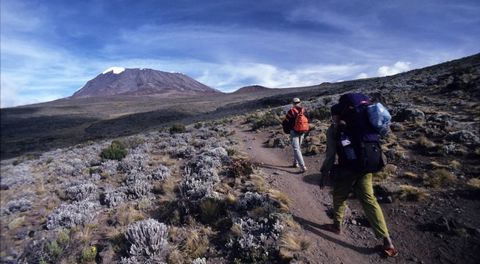
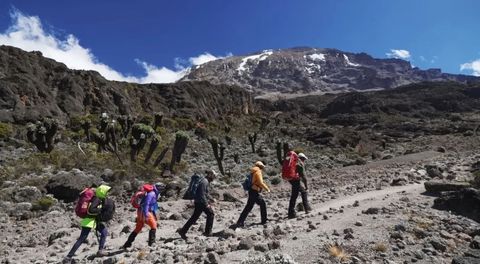
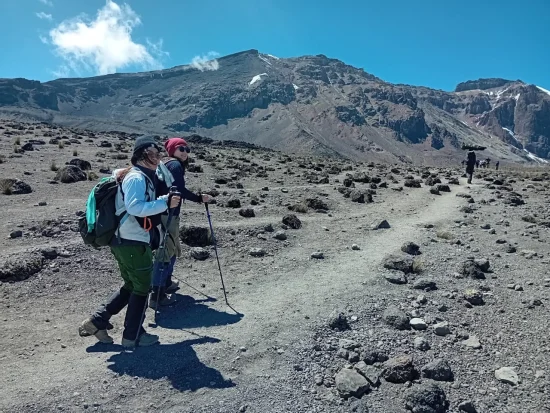
The Machame Route, often nicknamed the “Whiskey Route,” is one of the most popular ways to climb Mount Kilimanjaro. Known for its dramatic scenery, varied landscapes, and higher summit success rates compared to Marangu, Machame is ideal for trekkers seeking a more adventurous experience. Unlike Marangu, Machame requires camping — but the reward is breathtaking views and excellent acclimatization.

Choosing Machame means embracing a route that combines challenge with beauty. Its nickname reflects its reputation as a tougher climb, but one that rewards trekkers with diverse scenery ranging from lush rainforest to sweeping alpine deserts. The trail’s longer duration and “climb high, sleep low” profile make it one of the most effective routes for acclimatization, significantly increasing the chances of reaching Uhuru Peak.

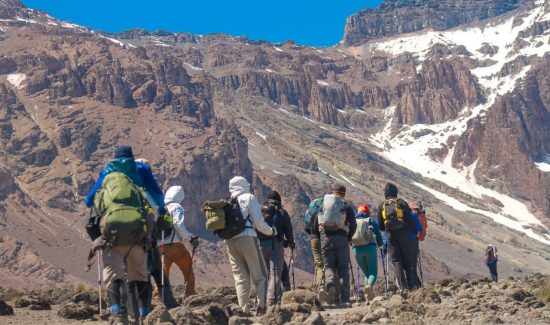
Most itineraries on Machame span six to seven days, offering a balance between adventure and acclimatization. The journey begins with steep forest trails, then ascends to the Shira Plateau. Trekkers cross dramatic landscapes, including the famous Barranco Wall, before traversing high alpine terrain toward Barafu Camp. The final summit push begins at midnight, culminating in the unforgettable climb to Uhuru Peak.

The Machame experience is defined by its adventure, variety, and camaraderie. Camping along the route fosters a strong sense of community among climbers, while the ever-changing scenery keeps each day exciting. For those who want a challenging yet rewarding climb, Machame offers the perfect blend of adventure, acclimatization, and stunning views.

SHORT DAY WISE ITINERARY

Day 1: Machame Gate → Machame Camp 

Day 2: Machame Camp → Shira Camp

Day 3: Shira Camp → Lava Tower → Barranco Camp

Day 4: Barranco Camp → Karanga Camp → Barafu Camp 

Day 5: Barafu Camp → Uhuru Peak → Mweka Camp 

Day 6: Mweka Camp → Mweka Gate

Formalities & Health

Trekkers must prepare with proper documentation and health precautions:

  • Visas: Most travelers require a Tanzanian visa, which can be obtained online (evisa) or upon arrival. Ensure your passport is valid for at least six months beyond your travel dates.
  • Permits: All routes require official Kilimanjaro National Park permits. These are included in your trek package and arranged by your operator.
  • Vaccinations: Recommended vaccinations include yellow fever, typhoid, hepatitis A/B, and routine immunizations. Malaria prophylaxis is also advised, as lower regions of Tanzania are malaria zones.
  • Medical checks: Consult a doctor for altitude readiness. A pretrek medical exam ensures you are fit for highaltitude trekking. Carry personal medications and inform guides of any conditions.

Route Comparison

Marangu Route

Easiest Route

Machame Route

Most Scenic Route

Lemosho Route

Highest Success Rate

Northern Circuit

Longest Route

Rongai Route

Quite Route

Umbwe Route

Most Difficult Route

Travel Insurance for Your Tanzania Safari

Embarking on an African safari to Tanzania is the adventure of a lifetime. From spotting a stealthy leopard in the Serengeti to conquering the heights of Mount Kilimanjaro, every moment is unforgettable. But before you set off, don’t forget the most important item—travel insurance.

A solid plan ensures medical mishaps, trip cancellations, or lost baggage won’t spoil your journey. In remote areas, where access to medical facilities is limited, this safety net is essential. Coverage even includes emergency evacuation from Kilimanjaro, giving climbers peace of mind at high altitude.

Comprehensive protection typically covers medical emergencies, hospitalization, cancellation, rescue operations, legal fees, and baggage issues. With the right insurance, you can focus on the thrill of the safari, the challenge of Kilimanjaro, and the beauty of Zanzibar—knowing you’re protected against the unexpected.

Zanzibar Mandatory Travel Insurance: If you’re traveling to Zanzibar, you are required to obtain the Zanzibar Mandatory Travel Insurance, regardless of whether you already have your own travel insurance.

  • Each traveler must apply in advance.
  • The cost is USD 44 per person.
  • After payment, you’ll receive a QR code to present upon arrival.

To apply, visit the official Zanzibar tourism website: https://visitzanzibar.go.tz/.

Kilimanjaro Training Guide

Preparation is key to success: Climbing Mount Kilimanjaro is a physically demanding adventure that requires proper preparation and training. A well-planned Kilimanjaro training program helps improve your endurance, strength, and overall fitness, increasing your chances of reaching the summit successfully. Training before your trek also helps your body adapt to long hiking hours, steep trails, and high-altitude conditions. Whether you are a beginner or an experienced hiker, preparing in advance will make your climb safer, more comfortable, and more enjoyable.

  • Cardio training: Build endurance with running, cycling, swimming, or brisk walking. Aim for 4–5 sessions per week, gradually increasing intensity.
  • Strength training: Focus on legs (squats, lunges), core (planks, situps), and back (deadlifts, rows). Strong muscles reduce fatigue and improve stability on uneven terrain.
  • Altitude practice: If possible, hike at elevation or use stair climbing with weighted packs. Simulating altitude conditions helps acclimatization.
  • Flexibility & balance: Yoga or stretching routines improve mobility and reduce injury risk.
  • Train consistently at least 8–12 weeks before your Kilimanjaro climb
  • Stay hydrated and maintain a balanced, nutritious diet during training
  • Test your hiking boots and gear during training hikes to avoid discomfort on the mountain
  • Focus on mental preparation and maintaining a positive mindset throughout the journey
  • Get enough rest and recovery to allow your body to adapt and grow stronger
Kilimanjaro Food
Climbing Kilimanjaro Guide
Kilimanjaro Weather
Altitude Preparedness & Emergency Care

Prepare for Kilimanjaro

A well planned kit ensures comfort and safety:

  • Gear checklist: Sturdy trekking boots, layered clothing (base, mid, outer), waterproof jacket, gloves, hat, headlamp, hydration system, trekking poles, and sleeping bag rated for subzero temperatures.
  • Packing tips: Pack light but cover essentials. Use dry bags to protect gear from moisture. Keep daily items accessible in your daypack while porters carry larger loads.
  • Mental readiness: Stay positive, pace yourself, and embrace the challenge. Mental resilience is as important as physical fitness. Prepare for long days, cold nights, and gradual progress.
  • Nutrition: Bring energy snacks (nuts, protein bars, dried fruit) to supplement provided meals. Hydration is critical—drink 3–4 liters daily.

Why Book with Kilele Climb Tours?

Kilimanjaro Safety

  • Safety is our top priority: When climbing Mount Kilimanjaro, and proper preparation plays an important role in ensuring a successful trek. Climbers should take time to acclimatize gradually, stay hydrated throughout the journey, and follow the guidance of experienced mountain guides at all times. Weather conditions on Kilimanjaro can change quickly, making it essential to carry appropriate clothing, reliable trekking gear, and personal essentials for both warm and freezing temperatures.
  • Professional guides: Certified guides with extensive experience lead every trek. They are trained in altitude management, wilderness first aid, and emergency response.
  • Emergency support: Evacuation protocols include access to stretchers, oxygen, and coordination with rescue services. Helicopter evacuation is available in severe cases.
  • Health monitoring: Daily checks for altitude sickness symptoms (headache, nausea, fatigue). Guides monitor oxygen saturation and heart rate to ensure safe acclimatization.
  • Group safety: Small group sizes allow personalized attention. Porters and staff ensure camps are secure, meals are hygienic, and trekkers are supported throughout.

With professional support from Kilele Climb, climbers benefit from carefully planned itineraries, trained guides, routine health monitoring, and emergency preparedness during the expedition. Regular altitude checks, safe climbing practices, and a steady hiking pace help reduce the risks associated with high-altitude trekking. By prioritizing safety, preparation, and teamwork, trekkers can confidently enjoy the unforgettable experience of reaching the Roof of Africa.

ITINERARY

This Kilimanjaro adventure is crafted for climbers who dream of conquering Africa’s highest peak. Imagine standing on the roof of Africa at Uhuru Peak, gazing across endless horizons after trekking through lush rainforests, alpine deserts, and shimmering glaciers. With the trusted guidance of Kilele Climb Tours, every itinerary is customized to match your pace, preferences, and travel style. Whether you seek extra acclimatization days, a private safari in Tarangire, Serengeti, or Ngorongoro, or a luxurious retreat in Zanzibar, our expert team ensures every detail is perfectly arranged. Many travelers love ending their trek with thrilling game drives followed by days on Zanzibar’s pristine beaches, where turquoise waters and spicescented breezes provide the ultimate reward. You’ll return home accomplished, refreshed, and filled with unforgettable memories of your Kilimanjaro triumph.

Day 1

Arrival in Tanzania

Upon arrival at Kilimanjaro International Airport, our team will meet you and transfer you to your hotel in Moshi (900m / 2,953ft). After checkin, you’ll have time to relax and recover from your journey. The hotel will provide all the essentials for a comfortable stay: cozy rooms, hot water, polite staff, a swimming pool, and Internet access. In the evening, meet your mountain guide for a detailed briefing covering the trek itinerary, altitude awareness, and safety procedures. This is also when your gear will be checked to ensure everything is suitable for the climb. Dinner is on your own, but breakfast is included the next morning.

  • Elevation: Moshi town – 900m / 2,953ft
  • Distance: N/A (transfer only)
  • Hiking Time: N/A
  • Destination Height: 900m / 2,953ft
Day 2

Machame Gate to Machame Camp

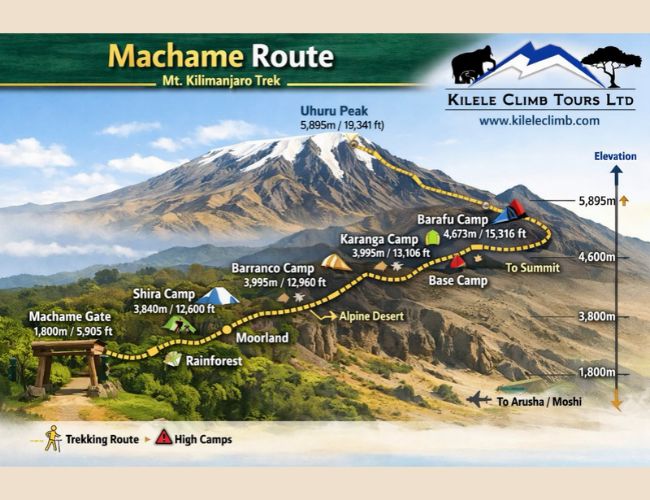
After breakfast, drive to Machame Gate (1,800m / 5,906ft) for registration. The trek begins through lush rainforest, alive with monkeys, birds, and towering trees. The trail is often muddy and slippery, so trekking poles are useful. As you ascend, the vegetation thickens, and the air becomes cooler. By late afternoon, you reach Machame Camp (3,000m / 9,843ft), nestled at the edge of the forest. This first day is demanding but rewarding, as you transition from lowland forest to higher terrain.

  • Elevation Gain: +1,200m / 3,937ft
  • Distance: ~11 km / 6.8 mi
  • Hiking Time: 5–7 hours
  • Destination Height: 3,000m / 9,843ft
  • Habitat: Montane Forest & Moorland
Day 3

Machame Camp to Shira Camp

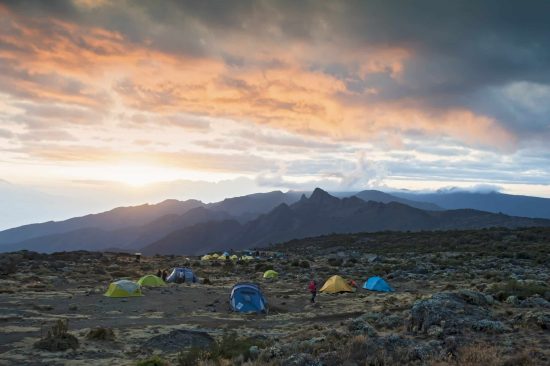
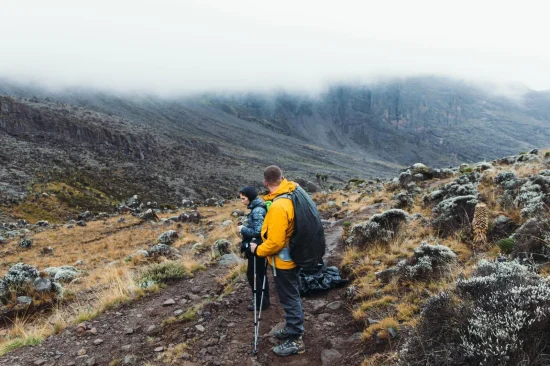
After breakfast, leave the forest behind and enter heath and moorland. The trail climbs steeply, with giant lobelias and senecios marking the landscape. The views open dramatically, with Kibo Peak looming ahead. The air is thinner, and the pace slows, but the scenery is spectacular. By afternoon, you arrive at Shira Camp (3,840m / 12,598ft), located on a plateau with wide horizons. This camp offers stunning sunsets and a chance to acclimatize further.

  • Elevation Gain: +840m / 2,756ft
  • Distance: ~5 km / 3.1 mi
  • Hiking Time: 4–6 hours
  • Destination Height: 3,840m / 12,598ft
  • Habitat: Moorland
Day 4

Shira 2 Camp to Barranco Camp via Lava Tower

After breakfast, you begin one of the most important acclimatization stages of the trek. The trail ascends steadily toward Lava Tower (4,600m / 15,092ft), a striking volcanic formation that rises dramatically from the alpine desert. The climb is challenging, as oxygen levels decrease and the terrain becomes more barren, but the effort is rewarded with incredible views of Kilimanjaro’s glaciers and rugged landscape. Lunch is often taken near Lava Tower, giving you time to rest at high altitude. In the afternoon, you descend to Barranco Camp (3,900m / 12,795ft), following the “climb high, sleep low” strategy that helps your body adjust to altitude. Barranco Camp sits in a spectacular valley beneath the imposing Barranco Wall.

  • Elevation Gain/Loss: +750m / 2,460ft, then –700m / 2,297ft
  • Distance: ~10 km / 6.2 mi
  • Hiking Time: 6–7 hours
  • Destination Height: 3,900m / 12,795ft
  • Habitat: Alpine Desert
Day 5

Barranco Camp to Barafu Camp (via Karanga)

After breakfast, the day begins with the famous Barranco Wall, a steep but exhilarating climb that requires some scrambling and careful footing. Though it looks intimidating, the wall is often remembered as one of the most enjoyable sections of the trek, with climbers helping each other and celebrating at the top. From there, the trail continues through a series of valleys and ridges, offering alternating ascents and descents with spectacular glacier views. You pass Karanga Camp (3,995m / 13,107ft), where many trekkers stop, but on this itinerary, you press onward to Barafu Camp (4,673m / 15,331ft). This is a demanding day, but reaching Barafu positions you perfectly for the summit attempt, giving time to rest, hydrate, and prepare for the midnight climb.

  • Elevation Gain: +773m / 2,536ft
  • Distance: ~10 km / 6.2 mi
  • Hiking Time: 8–9 hours
  • Destination Height: 4,673m / 15,331ft
  • Habitat: Alpine Desert
Day 6

Summit Day: Barafu Camp to Uhuru Peak to Mweka Camp

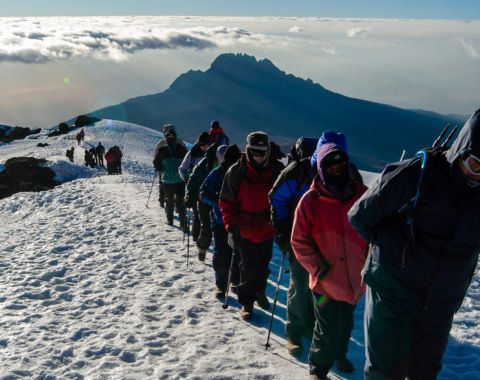
Around midnight, after a light meal and final preparations, you begin the summit push under a sky filled with stars. The climb is steep and grueling, with cold temperatures and thin air making each step a challenge. Slowly, you ascend toward Stella Point (5,739m / 18,829ft), where the first rays of dawn often paint the horizon in breathtaking colors. From Stella Point, the trail continues along the crater rim to Uhuru Peak (5,895m / 19,341ft), the highest point in Africa. After celebrating and taking photos at the summit, you begin the long descent, passing Kibo Hut before continuing down to Mweka Camp (3,100m / 10,171ft), where you’ll rest after one of the most demanding and rewarding days of the trek.

  • Elevation Gain/Loss: +1,222m / 4,010ft, then –2,795m / 9,169ft
  • Distance: ~17 km / 10.6 mi
  • Hiking Time: 10–14 hours
  • Destination Height: 5,895m / 19,341ft (Uhuru Peak), overnight at 3,100m / 10,171ft
  • Habitat: Arctic → Alpine Desert → Moorland
Day 7

Mweka Camp to Mweka Gate – Return to Moshi

After breakfast, make the final descent through rainforest to Mweka Gate (1,640m / 5,380ft). The trail is alive with bird calls and lush vegetation, a stark contrast to the barren summit. At the gate, you’ll receive your summit certificates, marking your achievement. From there, transfer back to Moshi for a hot shower, celebratory meal, and welldeserved rest.

  • Elevation Loss: –1,460m / 4,791ft
  • Distance: ~10 km / 6.2 mi
  • Hiking Time: 3–4 hours
  • Destination Height: 1,640m / 5,380ft
  • Habitat: Moorland → Montane Forest

Kilimanjaro Climbing Packages

We offer two distinct packages for climbers, tailored to different preferences and budgets.

Standard Package

The Standard Package is the perfect balance between affordability and quality service.

Accommodation : Comfortable standard hotels

Support : Expert guides and porters handle luggage, tents, cooking, and logistics

Meals : Diverse menu with multi-course meals, meat and fish options, drinks, fresh vegetables, and fruits

Experience : Safe, enjoyable, and memorable climb to the summit of Kilimanjaro

This package ensures a pleasurable journey with reliable support, allowing you to focus on the breathtaking natural beauty of Africa’s highest peak.

Deluxe Package

The Deluxe Package is designed for climbers who value premium comfort and personalized safety.

Accommodation : Luxurious, top-rated hotels in the region

Support : All Standard Package benefits plus enhanced amenities and superior service delivery

Safety : Personalized safety features for added peace of mind

Experience : Ultimate level of service for an unforgettable Tanzanian expedition

This package guarantees excellence, combining adventure with luxury for travelers seeking the very best.

What's Covered in this Package

Package Includes

  • Return transportation from Moshi to the starting/finishing point on the mountain
  • 2 nights’ accommodation in Moshi/Arusha (before and after climb, bed & breakfast)
  • Qualified guides with full mountain crew
  • National park fees
  • Hut/camping fees
  • 4season mountain tents
  • Doublelayered sleeping mats
  • Mess tent (for dining) with mini camping chairs, tables, candles
  • Rescue fees
  • First aid kit (Pulse oximeters & portable oxygen tanks per group for entire trek)
  • 3 hot meals daily while on the mountain
  • Enough treated & filtered drinking water throughout the trek
  • Fair wages for crew as approved by KINAPA & KIATO
  • Government taxes
  • Guides, porters, waiter, cook accommodation and entry fees on the mountain

Package Excludes

  • Meals and drinks not specified
  • Gear for your climb
  • Items of personal nature
  • Personal portable oxygen tanks (available at $100 for entire trek)
  • Additional nights beyond the two standard hotel nights included
  • International flights / Visas / Travel Insurance
  • Portable flush toilet with toilet tent (available at $90 for entire trek)
  • Tips for guides, porters and cook (this is a guide to tipping on the mountain. Recommended Tipping on Kilimanjaro from the trekking group (not per climber) · Guides: 20$-30$ /day/guide · Cook: 15$-20$/ day · Porter: 7$-10$/day/porter

Kilimanjaro Climbing Packages

We offer two distinct packages for climbers, tailored to different preferences and budgets.

Safety Standard Package Deluxe Package
Fully-loaded medical Kits ✓ ✓
Emergency oxygen tank ✓ ✓
Pulse Oximeter: Daily measurement of oxygen levels for every climber. ✓ ✓
ALTOX Personal Oxygen System ✕ ✓
Fully rigid steel rescue stretcher (Litter). ✓ ✓
Gamow Bag (Portable Hyperbaric Chamber) ✕ ✓
VHF Handheld Radios for mountain communication. ✓ ✓
Mountain Rescue Fee Included ✓ ✓
Management & Safety Procedures ✓ ✓
Medical Evacuation (AMREF Flying Doctors) ✕ ✓
Health and Meals on the Mountain Standard Package Deluxe Package
All meals while on the Mountain ✓ ✓
Fresh, healthy, and nutritious foods in large portions ✓ ✓
Clean, purified drinking water ✓ ✓
Champagne on Summit ✕ ✓
Warm water for washing every day ✓ ✓
Individual washbasins are provided for each trekker and guest upon arrival at the campsite. ✓ ✓
Private Portable Flush Toilet ✕ ✓
Camping Equipment & Accommodation Standard Package Deluxe Package
4 Season mountain tents, Double layered Sleeping Mats, Crew tents, Mess tent and Toilet tents ✓ ✓
Large aluminum chairs with backs and armrests, Aluminum Tables, High powered solar LED lights ✓ ✓
Sleeping Bags ✕ ✓
Accommodation – Bed and Breakfast ✓ ✓
Full Board Accommodation – Bed, Breakfast, Lunch and Dinner ✕ ✓
Standard hotel accommodations for 2 nights; one night before and one night after the trek. ✓ ✕
Comfort hotel accommodations for 2 nights; one night before and one night after the trek. ✕ ✓
Transport & Other Inclusions Standard Package Deluxe Package
Arrival and Departure transfers ✓ ✓
Return Transportation in Destination Location ✓ ✓
All Government Taxes and all Park fees ✓ ✓
Professional experienced mountain guides and porters ✓ ✓
Fair and ethical treatment of porters ✓ ✓
A personal porter to carry your day-pack during summit attempt ✕ ✓

Standard Package Pricing

Price Rates Per Person in US$. The prices in other currencies are given for comparison only.

High Season (June 1st to March 31st)

Hiking Route/Days 8 Days Lemosho Route

1 Pax
$2,520
2 Pax
$2,520
3 Pax
$2,150
4 Pax
$2,100
5 Pax
$2,060
6 Pax
$2,040
7 Pax
$2,020
8 Pax
$2,000
9+ Pax
$1,980

* Tanzanian Residents pay 80% of rates & East African Citizens pay 60% of rates.

Low Season (April 1st to May 31st)

Hiking Route/Days 8 Days Lemosho Route

1 Pax
$2,520
2 Pax
$2,520
3 Pax
$2,150
4 Pax
$2,100
5 Pax
$2,060
6 Pax
$2,040
7 Pax
$2,020
8 Pax
$2,000
9+ Pax
$1,980

* Tanzanian Residents pay 80% of rates & East African Citizens pay 60% of rates.

Deluxe Package Pricing

Price Rates Per Person in US$. The prices in other currencies are given for comparison only.

High Season (June 1st to March 31st)

Hiking Route/Days 8 Days Lemosho Route

1 Pax
$2,520
2 Pax
$2,520
3 Pax
$2,150
4 Pax
$2,100
5 Pax
$2,060
6 Pax
$2,040
7 Pax
$2,020
8 Pax
$2,000
9+ Pax
$1,980

* Tanzanian Residents pay 80% of rates & East African Citizens pay 60% of rates.

Low Season (April 1st to May 31st)

Hiking Route/Days 8 Days Lemosho Route

1 Pax
$2,520
2 Pax
$2,520
3 Pax
$2,150
4 Pax
$2,100
5 Pax
$2,060
6 Pax
$2,040
7 Pax
$2,020
8 Pax
$2,000
9+ Pax
$1,980

* Tanzanian Residents pay 80% of rates & East African Citizens pay 60% of rates.

Facts

Machame Route (6–7 Days) — The Scenic Adventure Option

The Machame Route, often nicknamed the “Whiskey Route,” is one of the most popular ways to climb Kilimanjaro. Known for its dramatic scenery, varied landscapes, and higher summit success rates compared to Marangu, Machame is ideal for trekkers who want a more adventurous experience. Unlike Marangu, Machame requires camping — but the reward is breathtaking views and better acclimatization.

Route Overview

  • Duration: 6–7 days
  • Distance: ~62 km
  • Difficulty: Moderate to challenging
  • Success Rate: Higher than Marangu (especially on 7-day itinerary)
  • Crowds: High (second most popular route)
  • Accommodation: Tented campsites

Route Highlights

  • Rainforest zone — lush start at Machame Gate
  • Machame Camp — first overnight in the forest
  • Shira Plateau — expansive views across Kilimanjaro’s western side
  • Barranco Wall — iconic scramble with stunning panoramas
  • Karanga Camp — acclimatization stop before summit push
  • Barafu Camp — base camp before Uhuru Peak
  • Uhuru Peak — the highest point in Africa at 5,895m

Unique Feature: Camping Adventure
Machame offers:

  • Tented accommodation with portable dining tents
  • Immersive wilderness experience
  • Flexibility in acclimatization with the 7-day itinerary

This makes it appealing for climbers who want a rugged, adventurous trek with diverse scenery.

Geography:

The Machame Route begins on Kilimanjaro’s southern side, at Machame Gate near Moshi. Climbers ascend through lush rainforest before reaching the Shira Plateau on the western flank, where trails converge. The path then curves eastward along the Southern Circuit, passing beneath the dramatic Southern Ice Field. From Barafu Camp, the summit push leads to Uhuru Peak. Descent follows the Mweka Route, also on the southern slopes. This southern approach is renowned for its scenic variety, offering rainforest, moorland, alpine desert, and glaciers within a single trek.

Weather
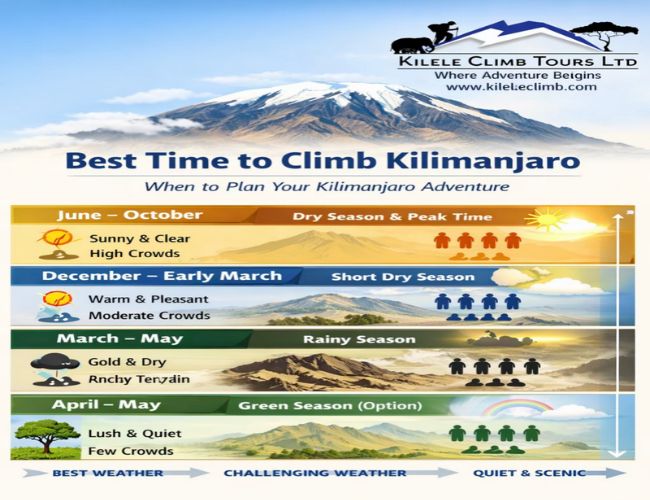
The weather on Mount Kilimanjaro is famously unpredictable, with temperatures shifting dramatically depending on altitude. Climbers can expect everything from hot sun to heavy rain or freezing nights, often within the same trek. The best time to climb is generally June to October and December to early March, when conditions are more stable and visibility is excellent. As hikers ascend, they pass through distinct climatic zones — rainforest, moorland, alpine desert, and arctic summit — each with its own atmosphere. Temperatures, rainfall, and vegetation decrease steadily with elevation. Because of these variations, trekkers must be prepared for hot, wet, and cold conditions at any time.

Cost Range: Machame is slightly more expensive than Marangu because:

  • Camping equipment and logistics are required
  • Longer duration increases costs
  • More staff support (porters, cooks, guides)

Still, it remains one of the most cost-effective scenic routes compared to longer options like Lemosho or Northern Circuit.

Things to Consider

  • Camping logistics — less comfort than huts
  • Crowds — very popular, especially in peak season
  • Physical challenge — steeper sections like Barranco Wall
  • Weather exposure — tents less protective than huts

Who Should Choose Machame?
Perfect for:

  • Adventure seekers wanting diverse landscapes
  • First-time climbers who prefer higher success rates
  • Photographers chasing Kilimanjaro’s most scenic views
  • Trekkers with 6–7 days available for acclimatization

Why Choose Machame Route Over the Rest?

Key Advantages

  • Scenic variety – rainforest, moorland, alpine desert, glaciers
  • Better acclimatization – “climb high, sleep low” profile
  • Iconic Barranco Wall – the most thrilling section on Kilimanjaro
  • High success rate – 85–95%, among the best on the mountain
  • Adventure feel – camping under the stars

Challenges

  • Most crowded route – 100–300 climbers on trail in peak season
  • Steeper sections – Barranco Wall and summit night are demanding

Best For

Trekkers who want scenery, adventure, and a strong chance of success. Machame balances challenge with reward, making it one of the most popular routes for climbers seeking both beauty and achievement.

Pros

  • Scenic variety — rainforest, moorland, alpine desert, glaciers.
  • Better acclimatization — “climb high, sleep low” profile.
  • Higher success rate — especially on the 7-day itinerary.
  • Adventure feel — camping under the stars.
  • Iconic highlights — Barranco Wall, Shira Plateau, Karanga Valley.

Cons

  • Camping logistics — less comfort than huts.
  • Crowds — very popular, especially in peak season.
  • Physically demanding — steeper sections like Barranco Wall.
  • Longer duration — 6–7 days, more time and cost.
  • Weather exposure — tents less protective than huts.

Important Note
Machame is more scenic and offers better acclimatization than Marangu, but it requires camping and is physically more demanding. The 7-day itinerary is strongly recommended for summit success.

Final Tip
Think of Machame as the scenic adventure route — ideal if your priority is diverse landscapes and a higher chance of reaching the summit. If you want comfort and huts, Marangu is better. But if you crave adventure, camping, and stunning views, Machame is the route for you.
Faqs

1. What is the Machame Route?

The Machame Route, also known as the “Whiskey Route,” is one of the most popular trails on Kilimanjaro. It is famous for its scenic variety, challenging terrain, and higher summit success rates compared to Marangu.

The nickname contrasts with the “Coca-Cola Route” (Marangu). Machame is considered tougher and more adventurous — like whiskey compared to soda.

The trek usually takes 6–7 days, allowing better acclimatization. The 7-day itinerary is strongly recommended for higher summit success.

The round trip covers about 62 km (38 miles), with steep ascents and descents across diverse landscapes.

  • 6-day trek: ~70% success
  • 7-day trek: ~85–90% success

The longer itinerary and “climb high, sleep low” profile
improve acclimatization and summit chances.

Unlike Marangu, Machame is a camping route. Trekkers sleep in tents at designated campsites such as Machame Camp, Shira Camp, Barranco Camp, and Barafu Camp.

No. Machame is considered more physically demanding than Marangu due to steeper climbs and longer trekking days. However, its gradual acclimatization profile makes it safer for altitude adjustment.

Pros: Stunning scenery, diverse landscapes, higher success rates, good acclimatization
profile.
Cons: Requires camping, physically demanding, more crowded due to popularity.

Packages typically start around $2,000–$2,500, slightly more expensive than Marangu due to camping logistics and longer duration.

Adventurous trekkers who want diverse scenery, higher summit success rates, and don’t mind camping. It’s ideal for those with good fitness levels and enough time for a 7-day trek.

Request a callback from our Team

    Plan Your Journey


    Full Name *


    Email Address *


    Phone Number *


    Number of Travellers *


    Travel Date *


    Type of Vacation *


    Special Requests / Message

    Why Book With Kilele Climb Tours?

    Close
    Close